Services
Chiropractic services shaped around careful observation.
Each visit is a conversation. Dr. Wuotila takes time to understand how you move, explain his observations, and answer questions about the approach he recommends.
What a first visit involves
A first visit begins with a conversation about what brought you in, your daily routines, and how you move. Dr. Wuotila then reviews posture and movement with you.
He explains what he notices and discusses the proposed approach before any adjustment. You can ask questions at every stage, and you decide whether to continue.
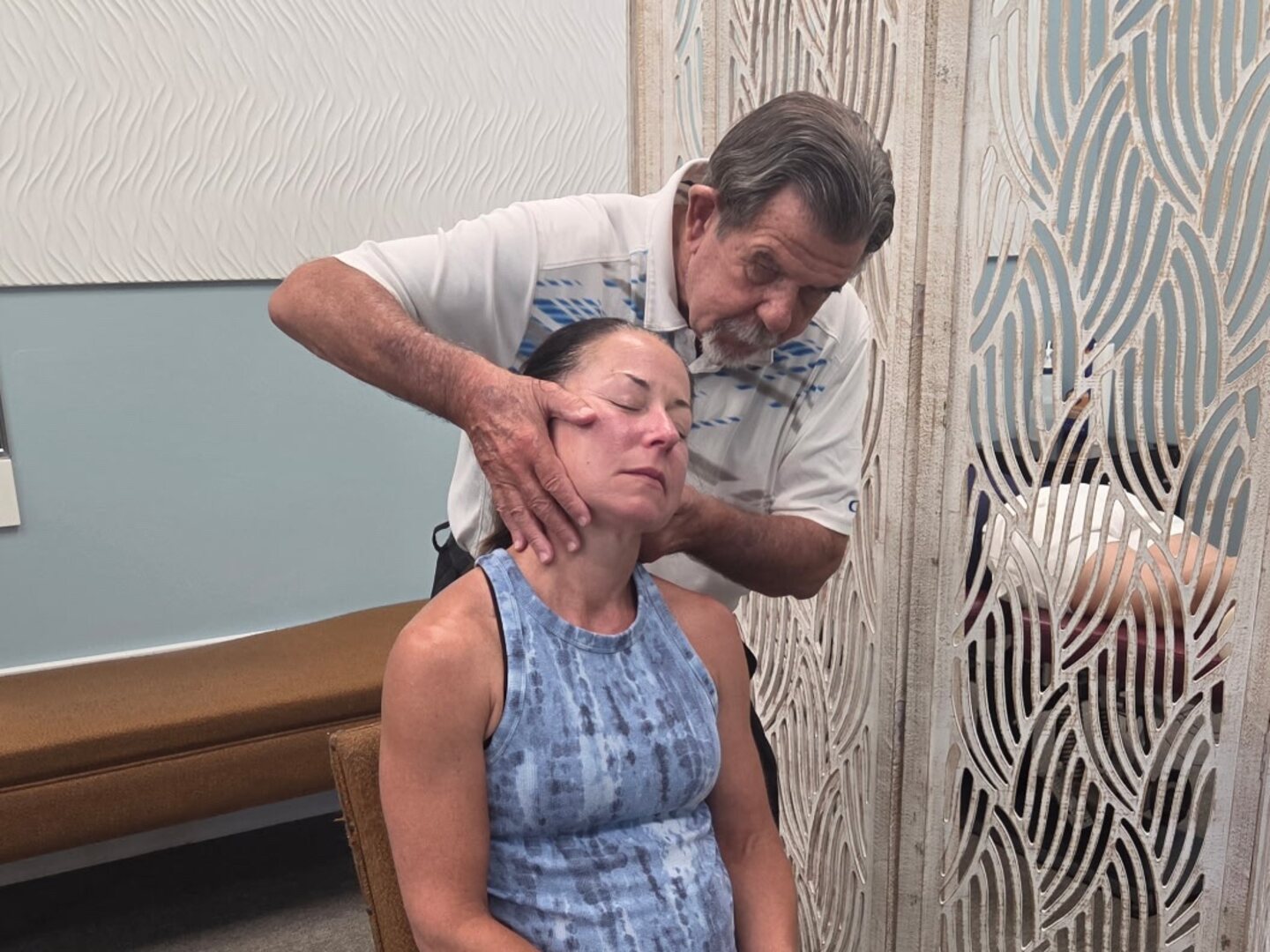
Services at the practice
-
01
Chiropractic adjustments
Hands-on adjustments tailored to how each person moves.
-
02
The Gonstead approach
A focused approach that uses examination and movement assessment to guide each adjustment.
-
03
Mobility and movement assessment
A review of joint movement and everyday mobility.
-
04
Posture and everyday habits
Practical guidance for posture and movement during daily routines.
A closer look
What is the Gonstead approach?
Developed by chiropractor Clarence S. Gonstead, the Gonstead approach is a method for examining the spine and deciding where—if anywhere—to adjust. It emphasizes combining several observations rather than relying on a single finding.
The approach brings five parts of the examination together to build a more complete picture:
-
01
Visualization
Observing posture, gait, and movement, including how the body carries weight and moves from side to side.
-
02
Instrumentation
Using a hand-held instrument to compare temperature patterns along the skin beside the spine as one piece of the assessment.
-
03
Static palpation
Using the hands to feel the tissues and structures around the spine while the patient is at rest.
-
04
Motion palpation
Feeling how individual joints move as the patient changes position or moves through a comfortable range.
-
05
X-ray analysis
When imaging is clinically appropriate, reviewing X-rays for structural information that can help guide the examination.
A focused adjustment
Dr. Wuotila considers these findings together when selecting a specific area, direction, and position for a hands-on adjustment. The intent is to make a focused adjustment rather than use the same sequence for every patient.
Explanation comes first
An examination does not automatically mean an adjustment. Dr. Wuotila explains what he observes, what he recommends, and why before care proceeds. You can ask questions and decide whether to continue.